Wondering whether to use mouthwash before or after brushing? For most people, using mouthwash after brushing and flossing works best. Brushing first removes plaque, then a therapeutic rinse reaches the cleaned surfaces and spreads fluoride or antibacterial ingredients where they are needed. If your rinse contains fluoride, wait about 30 minutes before eating or drinking so it can keep working.
Reviewed by Dr. Lance Kamel, DDS
On this page
- Should you rinse before or after brushing?
- Is it ever better to rinse first?
- Does mouthwash replace brushing?
- How often should you use it?
- Sensitive teeth and alcohol-free rinses
- Benefits of using mouthwash correctly
- How to choose a mouthwash
- When to see a dentist in Plantation
- Can mouthwash stain teeth?
- Frequently asked questions

Is it ever better to rinse before brushing?
Rinsing before brushing can help in some situations. A pre-brush rinse loosens food debris and can make brushing feel more effective. The trade-off: if you brush with fluoride toothpaste and then rinse right after with water or a plain rinse, you may wash the fluoride away before it strengthens your enamel.
Does mouthwash replace brushing and flossing?
No. Mouthwash does not replace brushing or flossing. Rinsing freshens breath and reaches spots a brush can miss, but only brushing and flossing physically remove the plaque that causes cavities and gum disease. The American Dental Association treats mouthwash as a supplement to daily brushing and flossing, not a substitute.
How often should you use mouthwash?
Most dentists suggest using mouthwash once or twice a day, usually after your morning and evening brushing. Whether you use mouthwash before or after brushing, always follow the directions on your product label. Overusing an alcohol-based rinse can dry out your mouth or irritate soft tissue, so more is not better — consistency in your daily routine matters far more than frequency.
Is alcohol-free mouthwash better for sensitive teeth?
For many people with sensitive teeth or dry mouth, an alcohol-free mouthwash is gentler. Alcohol-based rinses can sting and reduce saliva, which your mouth needs to protect enamel. A fluoride, alcohol-free rinse can strengthen teeth without the burn. If sensitivity continues, ask Dr. Kamel to check for an underlying cause.
What are the benefits of using mouthwash correctly?
Knowing whether to use mouthwash before or after brushing is only part of good oral care. Used correctly, mouthwash freshens breath, helps control the bacteria linked to gum disease, and — if it contains fluoride — adds a layer of cavity protection. Therapeutic rinses that carry the ADA Seal of Acceptance are tested for these effects. Cosmetic rinses only mask odor, so check the label for what a rinse actually does.
- Fresher breath between brushings.
- Fewer gum-disease bacteria with an antibacterial rinse.
- Extra cavity protection from a fluoride rinse.
How do you choose the right mouthwash?
To choose the right mouthwash, match the rinse to your goal. Pick a fluoride rinse to fight cavities, an antibacterial rinse to reduce gum-disease bacteria, and an alcohol-free formula if you have dry mouth or sensitivity. Look for the ADA Seal of Acceptance, and if you are still unsure whether to use mouthwash before or after brushing, ask Dr. Kamel at your next visit.
- Fluoride rinse — extra cavity protection.
- Antiseptic rinse — targets gum-disease bacteria.
- Cosmetic rinse — freshens breath only.
- Alcohol-free rinse — gentler for dry or sensitive mouths.
When should you see a dentist in Plantation about your routine?
See a dentist if you have lasting bad breath, bleeding or swollen gums, or ongoing tooth sensitivity — these can signal problems a rinse cannot fix. At Luxe & Kamel Dentistry in Plantation, FL, Dr. Lance Kamel can review whether you should use mouthwash before or after brushing and recommend the right products. Book a professional teeth cleaning in Plantation or ask about gum disease treatment if your gums bleed. Call (954) 472-2000 or use our contact page to schedule.
Can mouthwash stain your teeth?
Most everyday cosmetic mouthwashes do not stain teeth. Some therapeutic rinses that contain chlorhexidine or certain essential oils can cause temporary brown surface stains with long-term daily use. A dental cleaning removes this staining, and switching rinses usually prevents it from returning.
If you are weighing whether to use mouthwash before or after brushing, staining is rarely a reason to skip it — the timing and the type of rinse matter far more. The Centers for Disease Control and Prevention recommends fluoride products as part of a daily routine to prevent decay.
If you notice new staining, ask Dr. Kamel whether an alcohol-free or non-chlorhexidine rinse would suit you better. Results vary — your dentist will assess your routine and recommend the right product for your teeth.
Frequently asked questions about mouthwash
Can children use mouthwash?
Many children over age six can use an alcohol-free, child-formulated fluoride rinse, but check the label and supervise them so they spit it out rather than swallow. Ask a pediatric dentist before giving mouthwash to younger children.
Should you rinse right after brushing with fluoride toothpaste?
If you want the fluoride in your toothpaste to keep working, wait a little while before rinsing, or use a fluoride mouthwash so you are not washing that protection away.
Does mouthwash whiten teeth?
Some whitening mouthwashes contain peroxide and can lighten surface stains slightly over several weeks, but they work much more slowly than professional whitening and will not dramatically change your natural tooth shade.
Is mouthwash safe to use every day?
Yes, daily use is safe for most people when you follow the label. If an alcohol rinse leaves your mouth dry or irritated, switch to an alcohol-free formula or ask your dentist for a recommendation.
Other Dental Offices in Nearby Cities
If you happen to be visiting nearby cities and need quality dental care, here are a few reputable offices to consider.
- Luxe Dental — Dentist in Lauderhill
- Beach Smile — Dentist in North Miami
- Family Dentistry Naples — Dentist in Naples
- Family Cosmetic Dentistry — Dentist in Weston
- Tooth Fairy Workshop — Dentist in Hollywood
- All Smiles Dentistry — Dentist in Miami Gardens
- Sedation Dental Spa — Dentist in Miramar
- Miami Dental Group
- BDC Dental Care — Dentist in Brickell
- All Dental Group — Dentist in Miami Lakes
- Dental Boost — Dentist in Hialeah
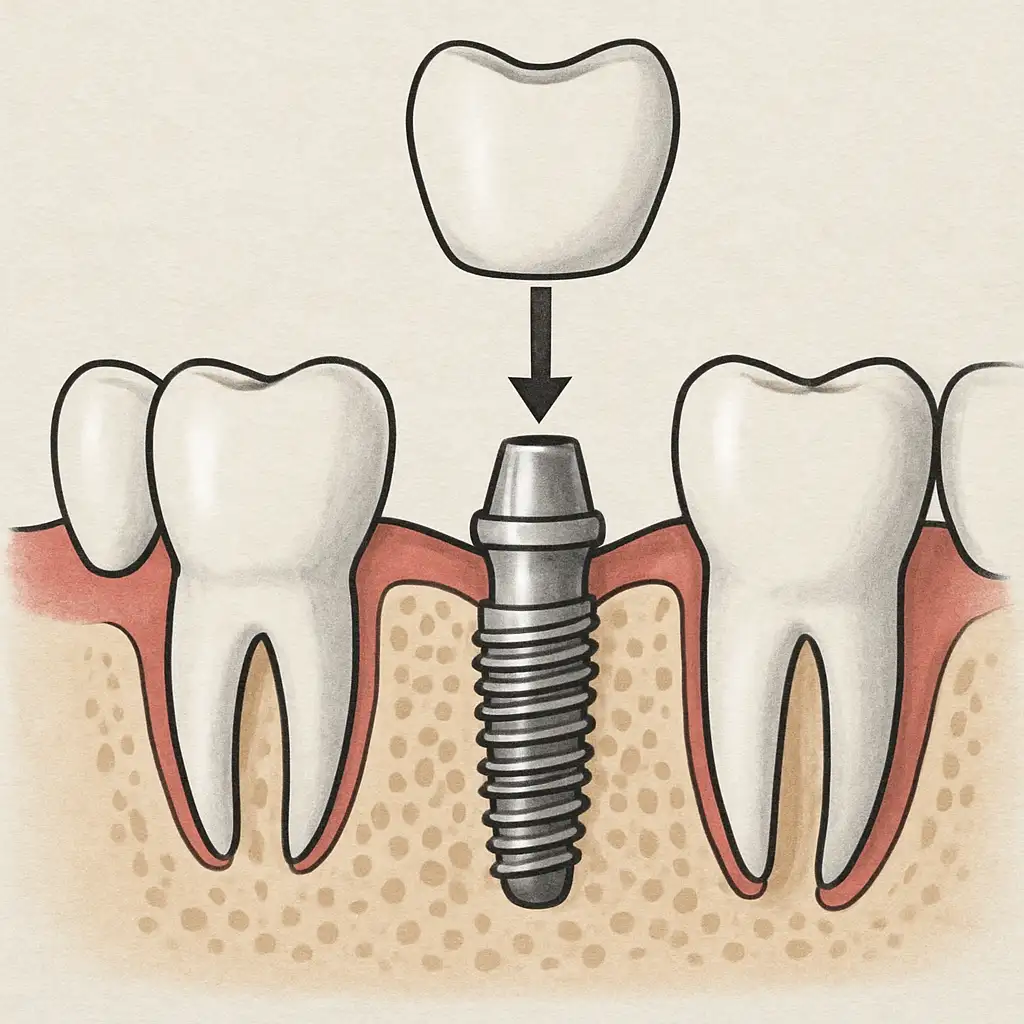
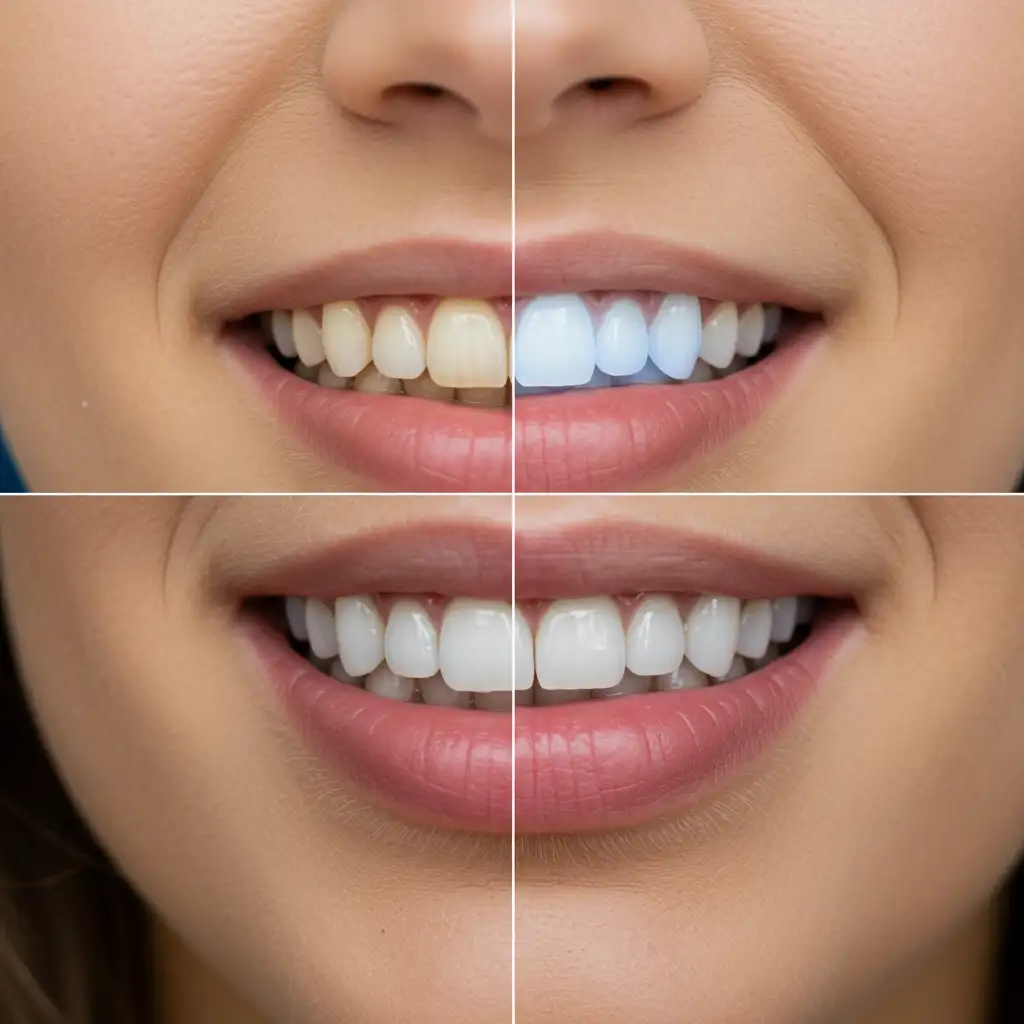
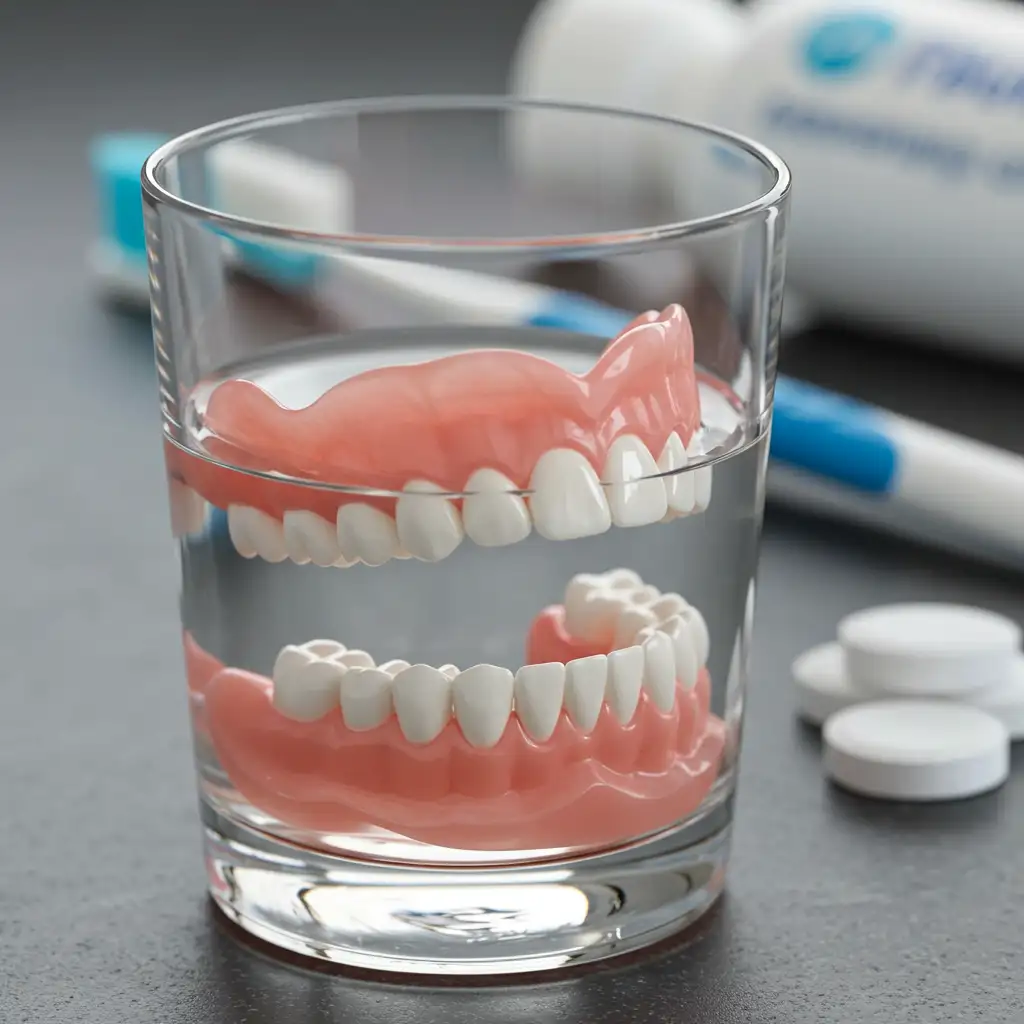
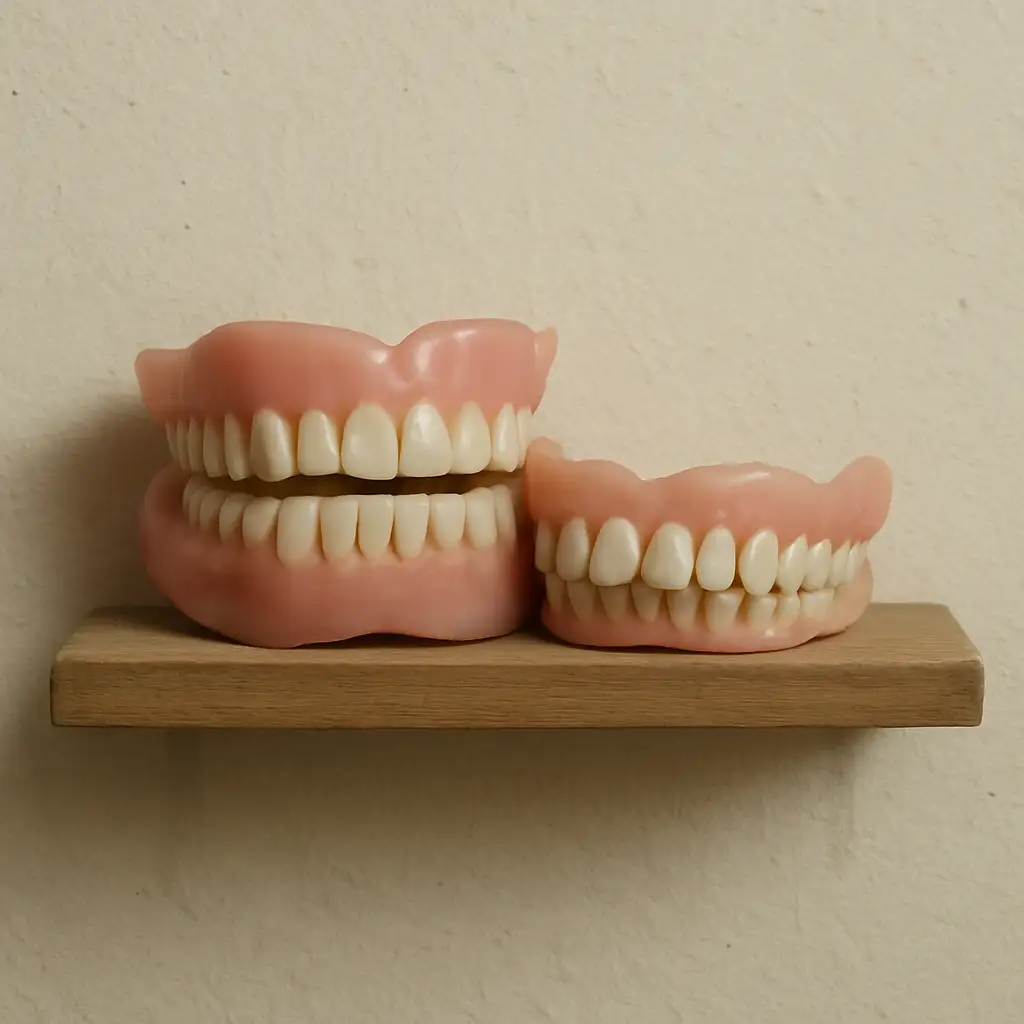
Can you go from wearing dentures to getting implants
Yes — going from dentures to implants is one of the most common upgrades in modern dentistry. If you are tired of dentures that slip or click, dental implants can anchor your replacement teeth permanently in the jaw. Most denture wearers with healthy gums and enough bone can make the switch. A Plantation, FL dentist […]